For many families, ensuring the safety and wellbeing of elderly relatives is a priority that calls for practical solutions. Personal alarm systems have become an essential tool in supporting older adults to maintain their independence while offering peace of mind to those who care for them. Choosing the right device can seem daunting, especially when considering the variety of options available, from systems that require ongoing subscriptions to those that operate without monthly fees. Understanding the features that truly matter can help you make an informed decision that balances cost, functionality, and ease of use.
Understanding Subscription-Free Alarm Systems for the Elderly
Personal alarms designed for elderly individuals come in various forms, and one of the most significant distinctions lies in the payment structure. Some systems require a subscription that includes access to a 24-hour monitoring centre, while others operate independently without monthly charges. Subscription-free alarms typically involve a one-off purchase, allowing users to own the device outright and avoid recurring costs. These alarms often connect directly to family members or carers via a phone call or alert, bypassing the need for professional monitoring services. This approach can be particularly appealing for those who prefer a straightforward solution that does not involve long-term financial commitments or contracts.
Benefits of Choosing a No-Subscription Emergency Alarm
Opting for an alarm system without a subscription offers several advantages. The most obvious benefit is the reduction in ongoing expenses. With no monthly fees or annual charges, the initial investment becomes the only financial commitment, making budgeting simpler and more predictable. This can be especially important for families managing tight finances or for elderly individuals living on fixed incomes. Additionally, subscription-free systems provide greater flexibility. There are no contracts to navigate, no direct debit arrangements to set up, and no concerns about price increases over time. Users can purchase the device, set it up according to their needs, and use it for as long as it remains functional without worrying about renewal dates or cancellation policies.
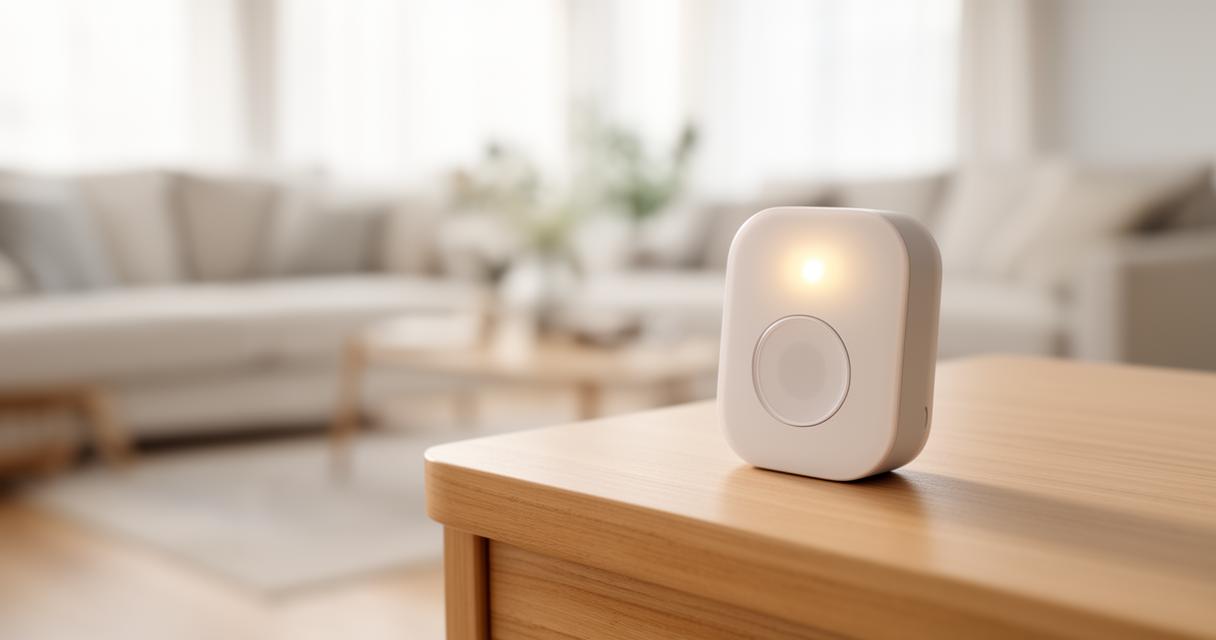
Another advantage is the simplicity of operation. Many no-subscription alarms are designed with ease of use in mind, featuring a straightforward SOS button that, when pressed, automatically contacts a pre-programmed list of family members or emergency contacts. This direct approach can be reassuring for elderly users who may feel overwhelmed by complex technology or who prefer a more personal connection in times of need. Furthermore, these systems often come with free delivery and no setup fees, reducing the initial burden and making the process of acquiring and installing the alarm more accessible.
Cost considerations: one-off purchase versus monthly fees
When comparing the costs of subscription-free alarms to those with monthly charges, it is important to consider both immediate and long-term expenses. Subscription-based systems typically require an initial setup fee, which can range from around seventy pounds, followed by monthly charges that vary depending on the level of service provided. For example, packages offering fall detection or GPS tracking can cost between twenty and thirty-five pounds per month. Over the course of a year, these fees can add up significantly, sometimes exceeding several hundred pounds. In contrast, a one-off purchase of a subscription-free alarm might cost a similar amount or even less, with no additional payments required.
However, it is essential to weigh these savings against the features included. Monitored alarms connected to a dedicated monitoring centre provide around-the-clock professional support, which can be invaluable in emergencies. These services often include automatic fall detection, which alerts the centre immediately if a fall is detected, even if the user is unable to press the button themselves. For some families, the peace of mind that comes with knowing trained professionals are available at all hours justifies the ongoing expense. On the other hand, subscription-free alarms may rely on family members or neighbours to respond, which could present challenges if contacts are unavailable or far away. Understanding these trade-offs is crucial when deciding which type of system best suits individual circumstances.
Key Features to Look for in Elderly Emergency Alarms
Regardless of whether a subscription is involved, certain features are essential for any personal alarm intended for elderly users. The primary goal of these devices is to ensure rapid assistance in emergencies, so functionality, reliability, and ease of use should be at the forefront of any decision-making process. When evaluating options, it is helpful to consider the specific needs of the individual who will be using the alarm, including their mobility, daily routines, and comfort with technology.
Fall detection and automatic alert functionality
One of the most critical features to look for is fall detection. Falls are a leading cause of injury among older adults, and the ability of an alarm to detect a fall and automatically send an alert can be lifesaving. Advanced systems use sensors to recognise sudden movements or impacts that indicate a fall, triggering an immediate notification to the monitoring centre or designated contacts. This automatic functionality is particularly important for individuals who may be disoriented or unable to press a button after a fall. It ensures that help is summoned even if the person cannot actively seek assistance.
In addition to fall detection, some alarms offer activity monitoring systems that track daily habits and routines without the need for cameras or microphones. These systems can detect changes in behaviour, such as unusual periods of inactivity or deviations from normal patterns, and send alerts to family members or carers. This proactive approach to safety allows for early intervention if something appears amiss, providing an extra layer of security for those living alone. When selecting an alarm, it is worth considering whether these advanced features align with the user's lifestyle and the level of oversight desired by their support network.
Ease of Use: Simple SOS Buttons and Wearable Devices
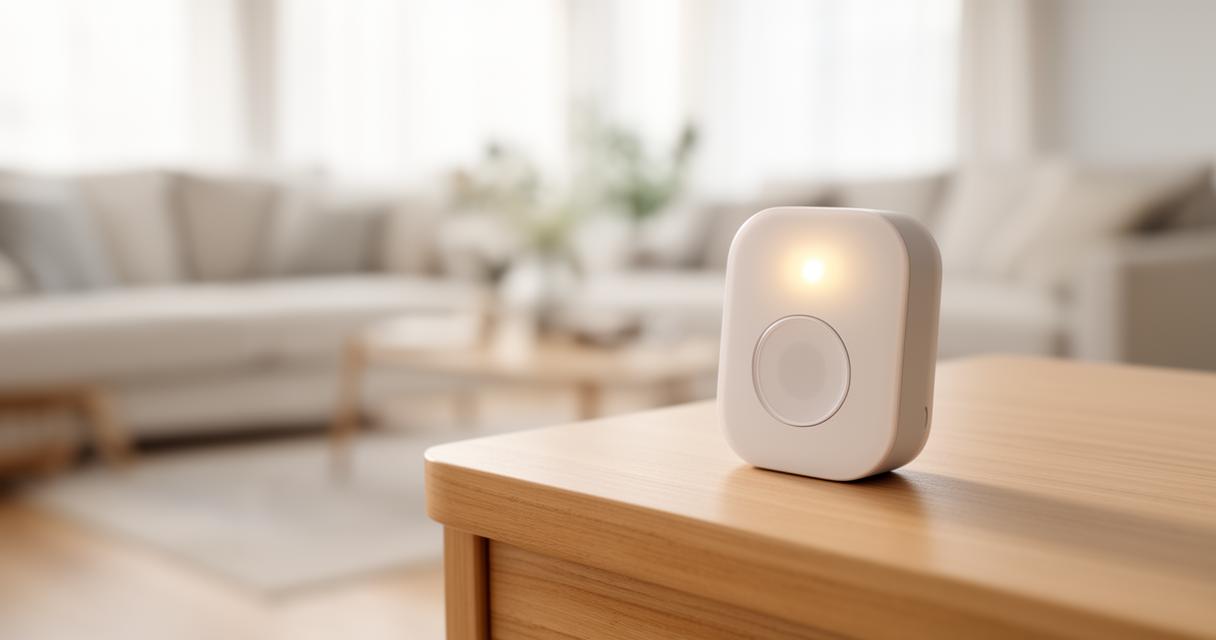
Simplicity is paramount when it comes to personal alarms for the elderly. The device should be intuitive enough that the user feels confident operating it without hesitation. A straightforward SOS button is the cornerstone of most systems, designed to be large, easily accessible, and simple to press in an emergency. Wearable options, such as pendant alarms or bracelets, are particularly popular because they can be worn throughout the day and night, ensuring the alarm is always within reach. These wearable devices are often unobtrusive and do not require frequent charging, making them practical for continuous use.
Some models come with a base unit that connects to the home telephone line or mobile network, allowing the pendant to communicate with emergency contacts or a monitoring centre. The range of the pendant from the base unit is an important consideration, with many systems offering coverage of up to three hundred metres. This range allows users to move freely around their home and garden while remaining connected to the alarm system. For those who spend time outdoors or travel regularly, GPS tracking alarms provide an additional level of safety. These mobile personal alarms can be carried outside the home and use satellite positioning to pinpoint the user's location, enabling quicker response times if an alert is raised.
It is also beneficial to look for devices that include audible alerts, such as a beep or sound, to confirm that the alarm has been activated. This immediate feedback reassures the user that their call for help has been registered and is being processed. Ease of setup is another factor to consider. Many subscription-free alarms are designed for straightforward installation, often requiring no more than plugging in the base unit and programming contact numbers. Clear instructions and responsive customer support can make the process smoother, particularly for those who are less familiar with technology.
Choosing between home-based and mobile alarm options
Personal alarms are not one-size-fits-all, and the choice between a home-based system and a mobile option depends on the individual's lifestyle and mobility. Understanding the differences between these two types of alarms can help narrow down the best fit for specific needs.
Traditional home alarm systems versus portable solutions
Home-based alarm systems are designed for use within the residence and typically consist of a wearable pendant and a base unit connected to the household telephone line or broadband. These systems are ideal for individuals who spend most of their time at home and do not venture far from their property. The pendant can be worn around the neck or on the wrist, and pressing the button triggers a call to pre-programmed contacts or a monitoring centre. Home systems are generally reliable and require minimal maintenance, with some models offering additional features such as door sensors, temperature monitoring, and smoke detection. These extras can provide comprehensive home safety, alerting users and their contacts to potential hazards beyond medical emergencies.
Portable or mobile alarms, on the other hand, are suited to more active individuals who travel outside the home regularly. These devices often incorporate GPS tracking, allowing family members or emergency services to locate the user quickly if an alert is raised. Mobile alarms usually operate via a mobile network and require periodic charging, typically through a cradle or USB connection. The added flexibility of a portable alarm means that elderly individuals can maintain their independence while exploring their community, attending appointments, or visiting friends, all with the reassurance that help is just a button press away.
Geolocation and Sound Alerts: Ensuring Quick Response and Peace of Mind
Geolocation capabilities are a game-changer for mobile personal alarms. By using GPS technology, these devices can provide precise location data, which is transmitted to contacts or a monitoring centre when an alert is activated. This feature is especially valuable for individuals with cognitive impairments or those at risk of wandering, as it enables swift location and retrieval. The peace of mind that comes from knowing the exact whereabouts of a loved one in an emergency cannot be overstated, and GPS tracking is increasingly seen as an essential component of modern elderly care solutions.
Sound alerts, including beeps or audible confirmations, serve dual purposes. For the user, they provide immediate feedback that the alarm has been activated and help is on the way. For those nearby, they can draw attention to an emergency situation, prompting bystanders to offer assistance. Some systems also include two-way communication, allowing the user to speak directly with the monitoring centre or a contact through the alarm device. This feature can be comforting during a crisis, as it enables reassurance and guidance while waiting for help to arrive. When evaluating alarms, consider whether these communication features are important for the individual's sense of security and their ability to respond effectively in emergencies.
Ultimately, selecting the right alarm system involves balancing cost, functionality, and the specific needs of the elderly person who will use it. Subscription-free options offer financial advantages and straightforward operation, making them an attractive choice for many families. However, it is crucial to ensure that the chosen system includes the essential features that support safety and independence, such as fall detection, ease of use, and reliable alert mechanisms. By carefully assessing the available options and considering the lifestyle and preferences of the user, families can find a solution that provides both practical support and invaluable peace of mind.