The modern workspace is undergoing a remarkable transformation, driven by the evolving expectations of today's workforce and the rapid advancement of digital technologies. Flexible workspace design has emerged as a critical response to these changes, offering environments that adapt seamlessly to diverse work styles, schedules, and locations. At the heart of this revolution lies the integration of interactive tables and dynamic displays, which are redefining how professionals engage with information, collaborate with colleagues, and present to clients. These innovative solutions are not merely technological additions; they represent a fundamental shift towards creating vibrant, adaptable office environments where functionality meets creativity, and where employee well-being is prioritised alongside productivity enhancement.
Transforming client engagement through interactive touch technology
Interactive touch technology has fundamentally altered the landscape of client presentations and business communications. Traditional static displays, which once dominated meeting rooms and reception areas, are being replaced by dynamic, responsive surfaces that invite participation and foster deeper engagement. Touch screen interfaces enable presenters to navigate through complex data, manipulate visualisations in real time, and respond instantly to client queries with relevant information at their fingertips. This level of interactivity transforms passive viewing experiences into collaborative sessions where ideas can be explored, refined, and visualised collectively. The immediacy and intuitive nature of touch-based interaction remove barriers between presenter and audience, creating a more natural and engaging dialogue that enhances understanding and decision-making.
Revolutionising client presentations with touch screen interfaces
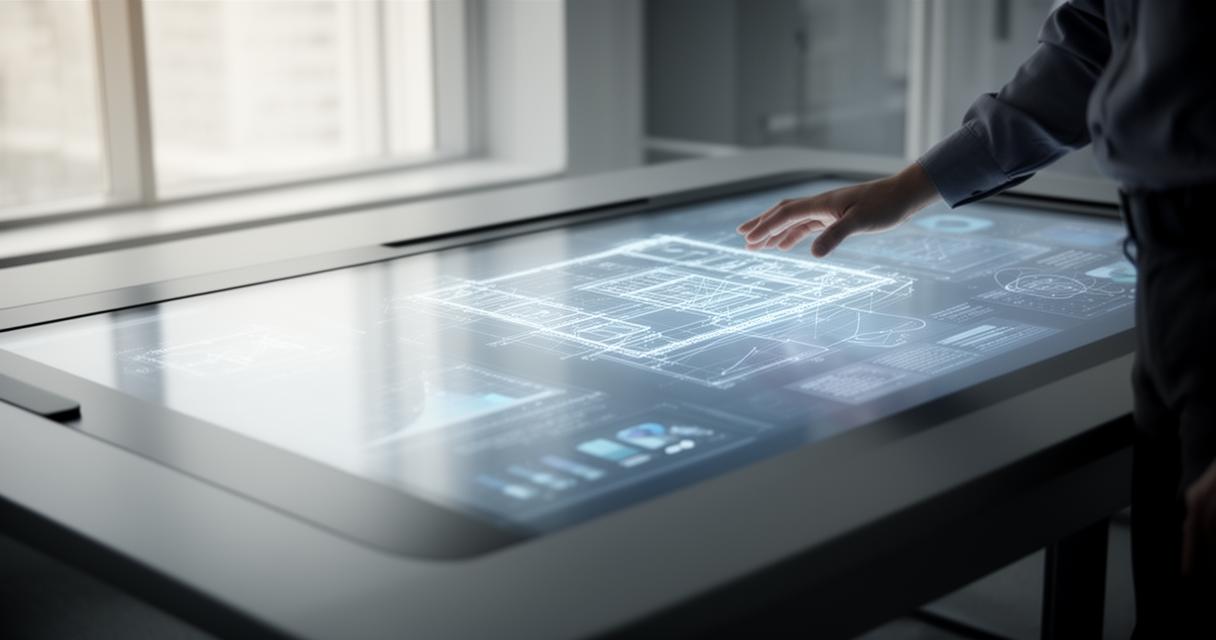
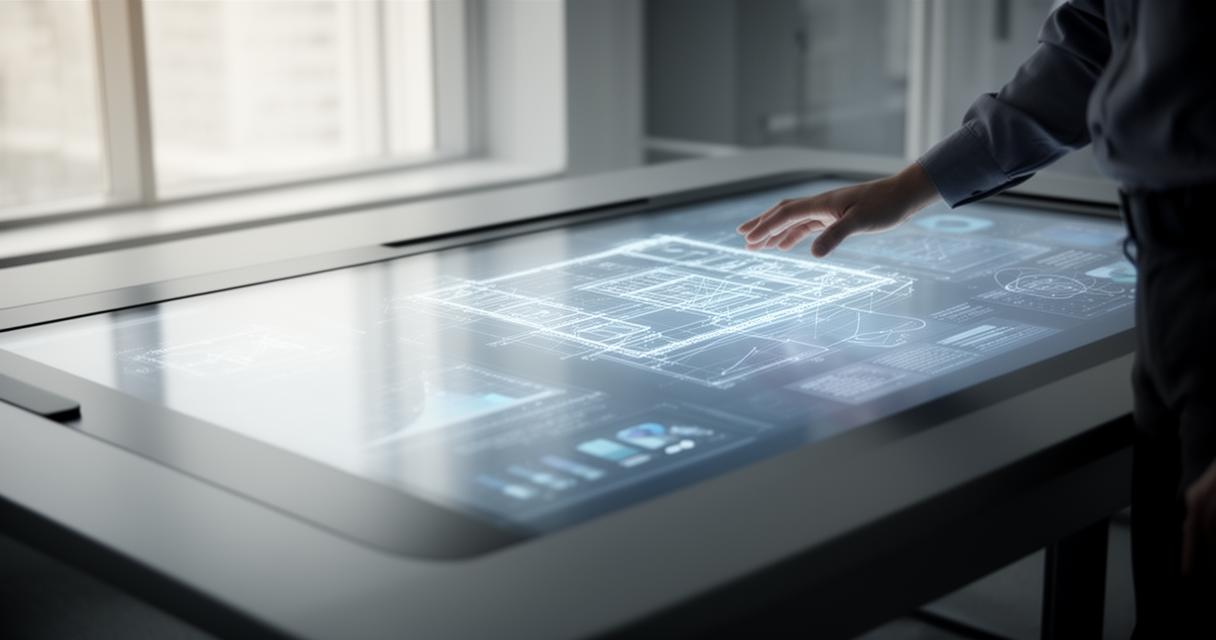
The shift towards touch screen interfaces in professional settings represents a significant departure from conventional presentation methods. These advanced systems allow users to zoom into detailed sections of architectural plans, rotate three-dimensional models, and annotate documents directly on the display surface, all whilst maintaining the flow of conversation. Such capabilities prove particularly valuable when presenting complex projects that require detailed examination from multiple perspectives. The tactile nature of these interfaces also encourages clients to become active participants rather than passive observers, fostering a sense of ownership and investment in the project outcomes. Furthermore, the ability to seamlessly switch between different applications and data sources during a presentation ensures that conversations remain fluid and responsive, adapting to the natural progression of discussion rather than following a rigid, predetermined structure.
Creating memorable experiences through dynamic display solutions
Beyond their practical functionality, dynamic display solutions contribute significantly to creating memorable experiences that distinguish forward-thinking organisations from their competitors. When clients step into a workspace equipped with interactive tables and responsive digital environments, they immediately perceive a commitment to innovation and quality. These installations serve as powerful statements of brand representation, communicating values of technological sophistication and client-centredness without uttering a single word. The visual impact of high-resolution displays combined with smooth, responsive interactions leaves lasting impressions that extend well beyond the immediate meeting. Moreover, these systems can be customised to reflect corporate identity through branded interfaces and tailored content, ensuring that every interaction reinforces organisational values and messaging. The result is an enhanced experience that resonates emotionally with clients whilst simultaneously demonstrating practical capabilities and professional excellence.
Maximising workspace efficiency with digital interactive surfaces
The integration of digital interactive surfaces within flexible workspace design delivers substantial benefits in terms of operational efficiency and resource management. These systems consolidate multiple functions into single, space-efficient installations, reducing the need for separate presentation equipment, whiteboards, and conventional meeting room furniture. The versatility of interactive tables allows the same physical space to serve multiple purposes throughout the day, supporting everything from individual focused work to large group collaborations without requiring physical reconfiguration. This adaptability proves particularly valuable in contemporary office environments where space comes at a premium and organisations seek to maximise the utility of every square metre. Furthermore, the digital nature of these systems enables seamless integration with existing office applications and workflow management tools, creating a cohesive technological ecosystem that enhances rather than disrupts established working practices.
Streamlining office applications and workflow management
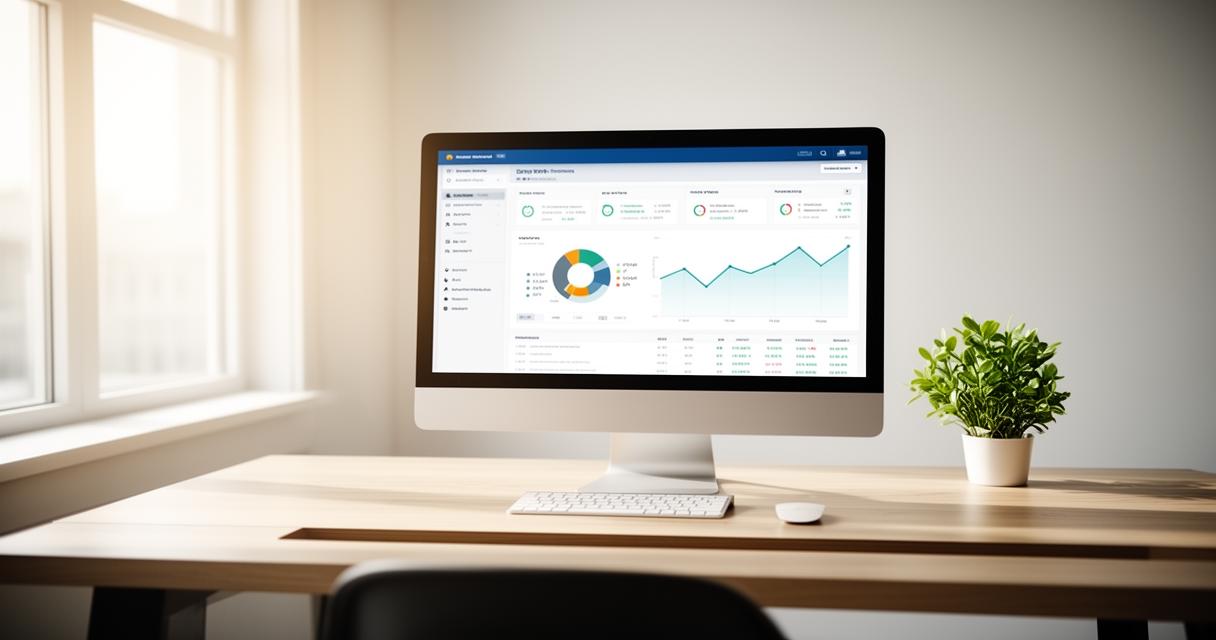
Modern interactive displays serve as powerful hubs for improved management of office applications and workflows. By providing direct, intuitive access to cloud-based productivity platforms, project management systems, and communication tools, these surfaces eliminate the friction traditionally associated with switching between devices and applications. Team members can pull up shared documents, annotate them collaboratively, and immediately distribute updated versions to all relevant parties, all within a single, fluid interaction. This streamlined approach to workflow management reduces time lost to technical complications and enables teams to maintain focus on substantive work rather than wrestling with technological barriers. The integration of these systems with existing digital infrastructure also facilitates better data management, ensuring that information flows efficiently between different departments and stakeholders. As organisations increasingly adopt Activity-Based Working principles, which emphasise matching work activities to appropriate environments, interactive surfaces provide the technological foundation necessary to support this more dynamic approach to space utilisation.
Cost-effective solutions for modern collaborative spaces
Whilst the initial investment in interactive display technology might appear substantial, these systems prove remarkably cost-effective when viewed through the lens of long-term operational efficiency and employee satisfaction. The consolidation of multiple functions into single installations reduces ongoing expenditure on separate equipment, maintenance contracts, and replacement cycles. Interactive tables eliminate the need for consumables such as paper for presentations, flip chart pads, and whiteboard markers, generating modest but cumulative savings over time. More significantly, the productivity enhancements enabled by these systems translate into tangible financial benefits, with research indicating that flexible workspace configurations incorporating smart technology can boost productivity substantially. The reduction in sick days associated with improved workplace design, including the integration of wellness features and biophilic design elements alongside technological innovations, further contributes to the economic case for these investments. When organisations also consider the competitive advantages gained through enhanced client engagement and the ability to attract and retain talented employees who value modern, collaborative spaces, the return on investment becomes increasingly compelling.
Innovative applications: from bim integration to engaging informative terminals
The applications for interactive tables and dynamic displays extend far beyond conventional presentation scenarios, encompassing a diverse range of uses that demonstrate the versatility of these platforms. In architectural and construction contexts, the integration of Building Information Modelling systems with interactive surfaces has revolutionised how professionals visualise, analyse, and communicate complex projects. These installations enable stakeholders to explore detailed three-dimensional models, examine specific components, and understand spatial relationships in ways that traditional drawings and static renderings simply cannot match. Beyond professional applications, interactive displays are finding increasing use as informative terminals in public spaces, retail environments, and educational settings, where they provide engaging, intuitive access to information whilst accommodating users of all ages and technical abilities. This breadth of application demonstrates how dynamic display technology has evolved from specialised tools into versatile platforms capable of addressing diverse communication and interaction needs across multiple sectors.
Enhancing Project Visualisation with Virtual Visits and BIM Tools
The combination of interactive display technology with sophisticated visualisation tools such as Building Information Modelling creates unprecedented opportunities for project exploration and understanding. Virtual visits enabled through these platforms allow clients and stakeholders to experience spaces before they physically exist, navigating through proposed designs, examining materials and finishes up close, and gaining genuine spatial awareness that two-dimensional plans struggle to convey. This capability proves invaluable during design development phases when modifications are still relatively straightforward and inexpensive to implement. The ability to manipulate BIM data directly on an interactive surface enables real-time exploration of alternatives, immediate visualisation of proposed changes, and collaborative decision-making that brings together diverse expertise. Architects, engineers, clients, and end-users can gather around a shared display, each contributing their perspective whilst maintaining a common reference point that keeps discussions grounded and productive. This collaborative approach to project visualisation reduces misunderstandings, identifies potential issues earlier in the development process, and ultimately delivers outcomes that better align with stakeholder expectations and requirements.
Versatile uses: from children's engagement to professional environments
The intuitive nature of touch-based interaction makes interactive displays remarkably accessible across age groups and technical abilities, enabling applications that span from children's engagement in educational settings to sophisticated professional environments. In family-friendly public spaces and retail contexts, interactive tables captivate younger visitors with games and educational content whilst simultaneously providing practical information to accompanying adults. This dual functionality enhances the overall experience for diverse audiences, creating environments that accommodate multiple needs simultaneously. In professional settings, the same technological foundations support applications ranging from data analysis and strategic planning to creative brainstorming and design development. The adaptability of these systems reflects broader principles of inclusive design, ensuring that technological tools serve the widest possible range of users without requiring specialised knowledge or extensive training. As organisations increasingly embrace diversity in work styles and employee empowerment through choice and flexibility, interactive displays provide platforms that support this inclusive approach, accommodating individual preferences whilst facilitating collaborative work. The integration of sustainable materials and energy-efficient systems in the physical construction of these installations further aligns them with contemporary values around sustainability and environmental responsibility, ensuring that technological innovation proceeds hand-in-hand with ecological awareness.