Choosing the right GPS device for your boat is a decision that requires careful consideration of various technical aspects, user experiences, and practical needs. Modern marine GPS technology has evolved significantly, offering boaters a wide range of options from established brands that cater to different vessel types and navigation requirements. Whether you are a casual weekend sailor or a dedicated angler, understanding the nuances of available devices will help you make an informed choice that enhances safety and enjoyment on the water.
Understanding Marine GPS Technology and Essential Features for Boating
Marine GPS devices are far more than simple navigation tools; they serve as comprehensive systems that integrate multiple data sources to provide accurate positioning, route planning, and situational awareness. The technology behind these units relies on satellite signals to pinpoint your location with remarkable precision, enabling you to navigate unfamiliar waters confidently and avoid potential hazards. As you evaluate different models, it is essential to understand the core features that distinguish a reliable marine GPS from a basic consumer-grade device.
Key technical specifications: screen size, battery performance, and display quality
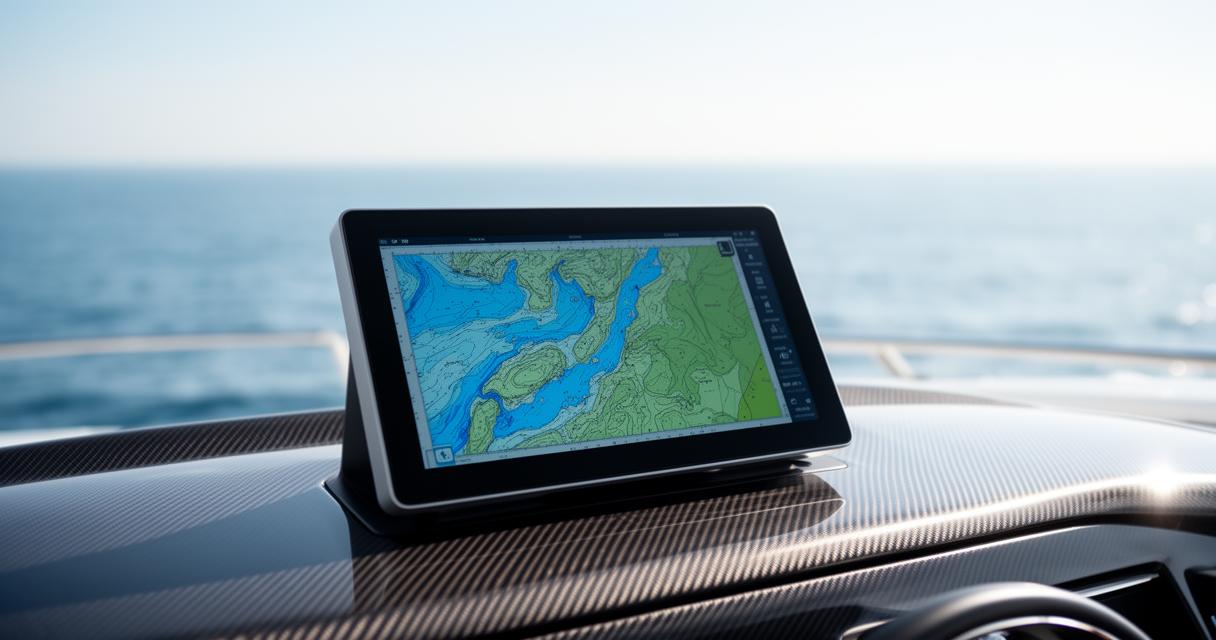
When selecting a GPS for your boat, one of the first considerations is the screen size, as it directly impacts readability and ease of use while underway. Larger screens are advantageous for viewing detailed charts and monitoring multiple data fields simultaneously, but they also consume more power and may require more installation space. Display quality is equally important, particularly when operating in bright sunlight or challenging weather conditions. High-resolution screens with anti-glare coatings ensure that critical navigation information remains visible at all times. Battery performance is another crucial factor, especially for portable units that may need to operate for extended periods without access to shore power. Boaters should look for devices that offer long battery life or the option to connect to onboard power sources, ensuring uninterrupted operation throughout the day. The build quality and water resistance of the unit are also vital, as marine environments expose electronics to moisture, salt, and vibrations that can compromise performance over time.
Signal Reliability and Data Integration for Safe Navigation
Signal reliability forms the backbone of effective marine navigation, and modern GPS devices achieve this by supporting multiple satellite systems beyond the traditional GPS constellation. Many current models incorporate signals from GLONASS, Galileo, and other networks, which improve accuracy and reduce the risk of signal loss in challenging conditions such as heavy cloud cover or near tall structures. Data integration is another essential feature, as the best marine GPS units can combine positional information with additional inputs like depth sounders, radar, and weather data. This integration creates a comprehensive picture of your surroundings, allowing you to anticipate potential hazards and adjust your course accordingly. The ability to overlay real-time data on electronic charts enhances situational awareness and contributes significantly to safe and efficient navigation. Furthermore, connectivity options such as Wi-Fi and Bluetooth enable seamless updates of maps and software, ensuring that your device remains current with the latest navigational information.
Leading marine gps brands: garmin, raymarine, and humminbird compared
The marine electronics market is dominated by several well-established brands, each offering a distinct approach to GPS technology and user experience. Garmin, Raymarine, and Humminbird are among the most popular choices for recreational and professional boaters, and each brand has cultivated a loyal following based on performance, reliability, and innovative features. Comparing these manufacturers provides valuable insights into the strengths and trade-offs associated with their respective product lines.
User Experience and Ease of Use Across Different Manufacturers
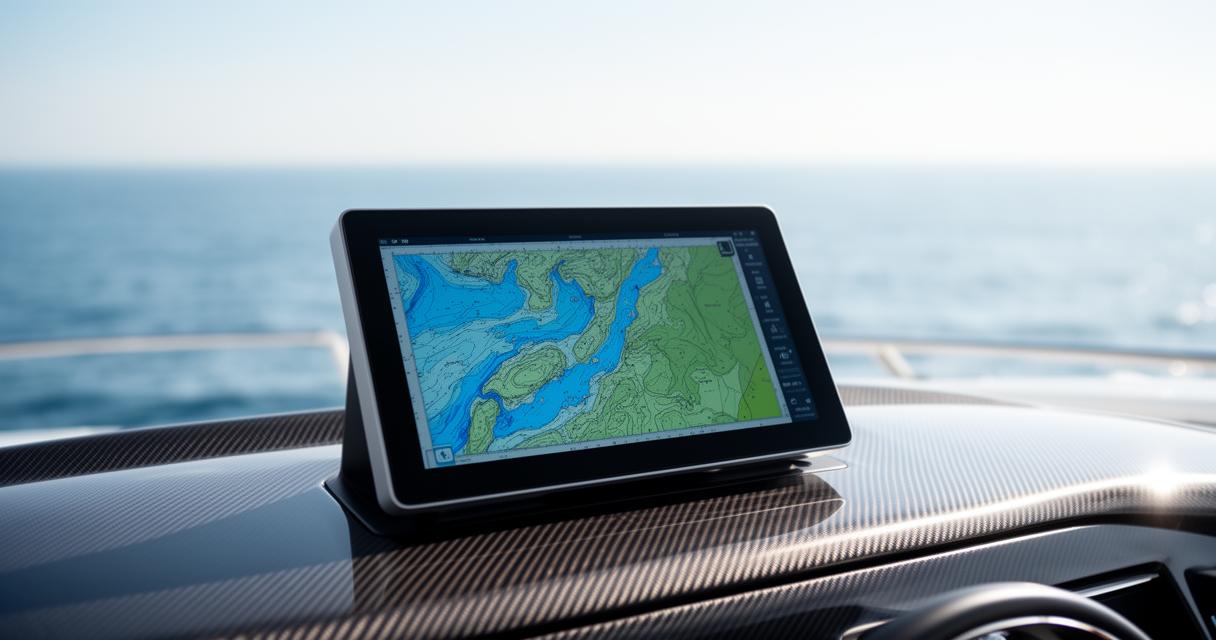
User experience varies considerably between brands, with each manufacturer adopting different interface philosophies and control schemes. Garmin devices are widely praised for their intuitive touchscreen interfaces and straightforward menu structures, making them accessible to both novice and experienced mariners. The company has invested heavily in user-friendly design, ensuring that critical functions can be accessed quickly without navigating through multiple submenus. Raymarine, on the other hand, is known for its sophisticated integration capabilities and advanced display technology, which appeals to boaters who prioritize seamless connectivity with other onboard systems. The brand's LightHouse operating system offers a highly customizable interface that allows users to tailor the display to their specific needs. Humminbird has carved out a niche particularly among anglers, offering GPS units with exceptional sonar integration and fish-finding features. The brand's interface is designed with fishing in mind, providing quick access to depth data and underwater imaging. Real-world user feedback consistently highlights that the best GPS for any boater depends on individual preferences and the primary use case, whether it be cruising, fishing, or offshore navigation.
Integrated Features and Connectivity Options for Modern Boaters
Modern marine GPS devices go beyond basic positioning to offer a suite of integrated features that transform them into central hubs for onboard electronics. Garmin's range includes models with built-in radar support, autopilot compatibility, and live weather overlays, providing a comprehensive navigation solution in a single unit. Raymarine devices often feature advanced networking capabilities, allowing multiple displays to share data and function cohesively across different areas of the vessel. This is particularly useful on larger boats where multiple helm stations require synchronized information. Humminbird excels in integrating high-definition sonar and side-imaging technologies, which are invaluable for anglers seeking to locate fish and understand underwater structures. Connectivity options have also expanded dramatically, with most current models offering wireless updates, smartphone integration, and cloud-based chart synchronization. These features ensure that your GPS remains up to date and can interface with a wide range of third-party accessories, enhancing overall functionality and convenience on the water.
Choosing the Right GPS Device for Your Vessel and Boating Needs
Selecting a marine GPS is ultimately a personal decision that should reflect the size of your vessel, the type of boating you engage in, and your budget. There is no one-size-fits-all solution, but understanding the relationship between device capabilities and your specific requirements will guide you toward the most suitable option.
Matching GPS Capabilities to Boat Size and Navigation Requirements
The size of your boat plays a significant role in determining the appropriate GPS configuration. Smaller vessels such as dinghies and kayaks benefit from compact, portable units with robust battery life and simple operation. These devices should be lightweight and easy to mount or carry, offering essential navigation functions without unnecessary complexity. Mid-sized recreational boats typically require chartplotters with medium to large screens that provide clear visibility and support for additional sensors like depth finders and speed logs. For larger yachts and offshore vessels, integrated multifunction displays with networking capabilities are essential, allowing for comprehensive situational awareness and redundancy in critical navigation systems. Your navigation requirements also influence the choice of GPS, as coastal cruising demands different features compared to offshore passages. Coastal boaters may prioritize detailed inshore charts and tidal information, while offshore sailors need reliable satellite communication options and advanced weather routing.
Real-world user feedback and practical recommendations
User feedback from boating communities and online forums offers invaluable insights into the real-world performance of marine GPS devices. Many boaters emphasize the importance of reliability and ease of use, noting that even the most feature-rich device is of little value if it fails in critical situations or proves difficult to operate under pressure. Garmin consistently receives high marks for dependability and customer support, making it a popular choice for a broad spectrum of users. Raymarine's advanced features appeal to tech-savvy boaters who value integration and customization, though some users report a steeper learning curve. Humminbird remains the preferred option for anglers who require specialized sonar capabilities alongside GPS functionality. Practical recommendations often highlight the value of purchasing a device with room for future upgrades, as boating needs can evolve over time. Investing in a model with expandable memory, software update capabilities, and compatibility with additional sensors ensures that your GPS remains relevant and effective for years to come. Ultimately, the best marine GPS is one that aligns with your specific boating habits, provides reliable performance, and enhances your overall experience on the water.