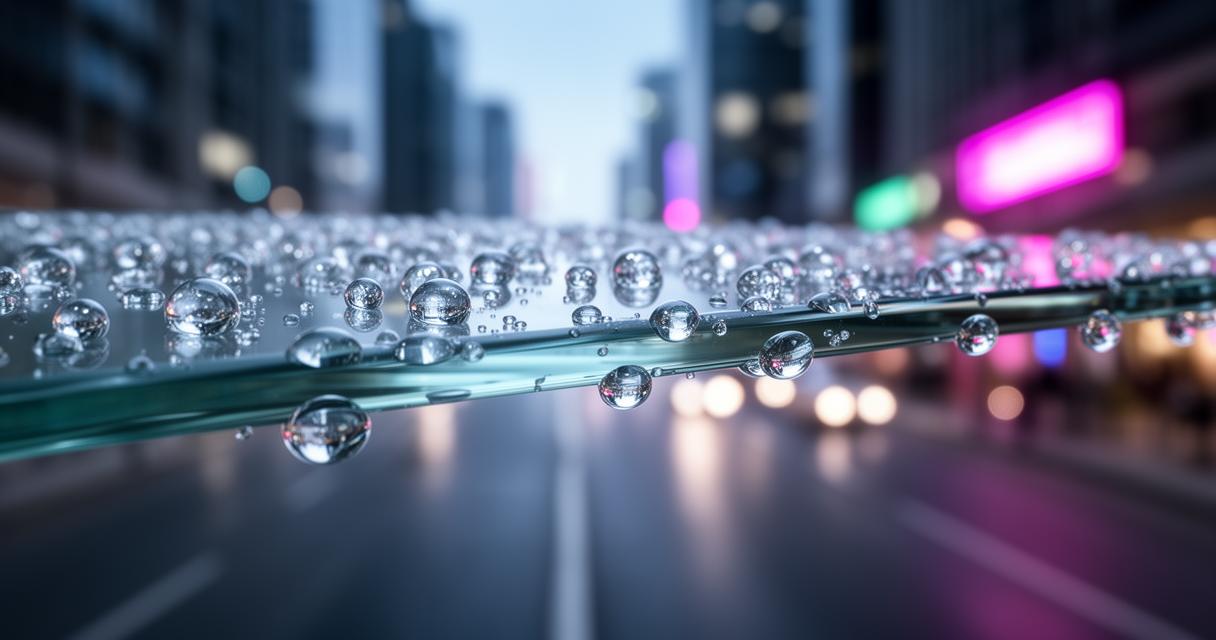
Driving through torrential downpours has long presented challenges for motorists, but recent advances in surface treatment technologies have significantly altered how water interacts with vehicle glazing. These innovations, rooted in sophisticated molecular engineering, offer more than mere convenience; they represent a fundamental shift in the way we approach visibility and safety on the road. By creating surfaces that actively shed water rather than allowing it to cling and distort vision, these treatments have become an integral part of modern vehicle maintenance and domestic care routines alike.
Understanding the Chemistry and Physics of Rain Repellent Coatings
Hydrophobic surface technology: the molecular foundation of water repellency
At the heart of effective rain repellent treatment lies the principle of hydrophobicity, a molecular characteristic that causes water to be repelled rather than absorbed. This phenomenon is achieved by applying coatings that fundamentally alter the surface energy of glass, enabling water droplets to form tight beads that roll away with minimal adhesion. The invisible barrier created by these treatments modifies the tension within each droplet, making it far easier for wind and gravity to remove moisture from windscreens and wing mirrors. Such technology has been refined over decades, with pioneering products emerging as early as 1972 when Howard G. Ohlhausen and his sons introduced the original formulation that would go on to enjoy a fifty-year legacy in automotive care.
The science behind these coatings involves the precise arrangement of molecules that present a non-polar surface to incoming water. This arrangement discourages water from spreading into a thin film, which would otherwise scatter light and obscure the driver's view. Instead, the droplets retain their spherical shape and are swiftly swept away, leaving behind a clear, unobstructed field of vision. Modern formulations often incorporate nano-coating technology, which operates at an even finer scale to enhance durability and performance. These advanced variants can withstand the rigours of daily driving, resisting degradation from ultraviolet radiation, abrasive contaminants, and the mechanical action of windscreen wipers, thereby extending the interval between reapplications.
Contact Angle Dynamics and Beading Behaviour on Treated Glass Surfaces
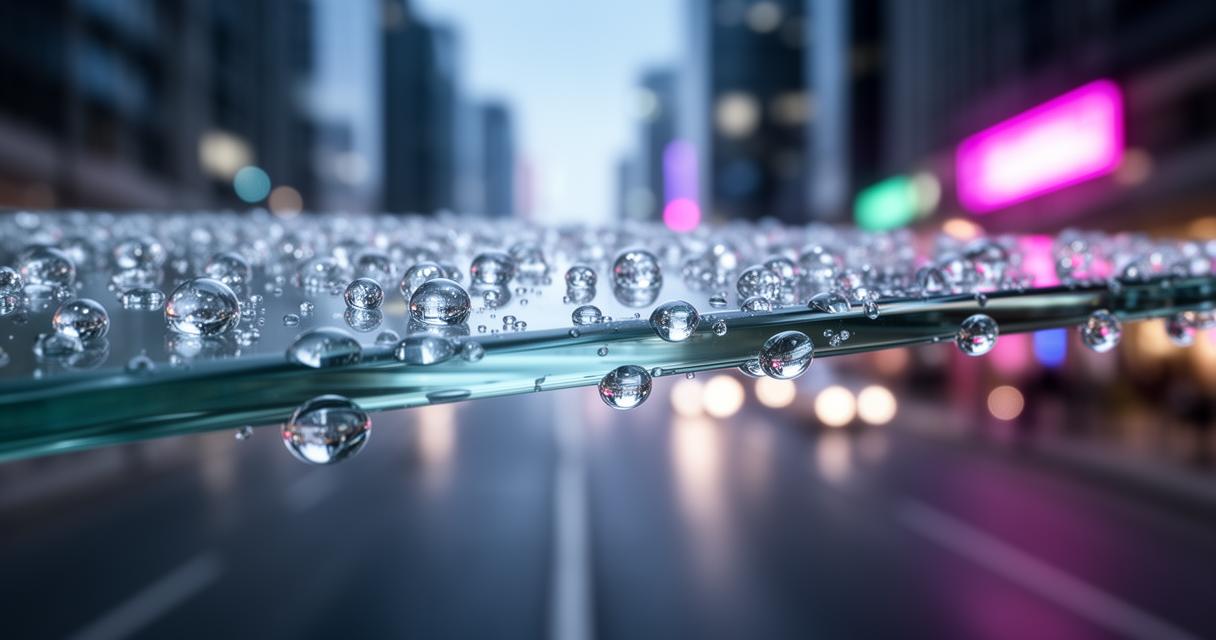
The effectiveness of a rain repellent coating is often quantified by the contact angle, a measure of how steeply a water droplet sits upon a treated surface. A higher contact angle indicates superior hydrophobic properties, as the droplet maintains a more rounded profile and minimises its area of contact with the glass. This dynamic is crucial for ensuring that water is expelled quickly and completely, even at lower speeds where wind force alone might be insufficient. The beading behaviour observed on treated glazing is not merely aesthetic; it has tangible implications for safety, as it reduces the accumulation of grime and debris that can adhere to wet surfaces. By preventing water from spreading thinly across the glass, these treatments also diminish the distortion and refraction that can compromise visibility during heavy rainfall.
In practical terms, the interplay between contact angle and beading behaviour determines how well a product performs under real-world conditions. Products that achieve contact angles exceeding ninety degrees are generally considered highly effective, as they allow droplets to roll off with minimal resistance. This property is particularly valuable during night driving, when glare from oncoming headlights can be exacerbated by the presence of water films. By maintaining optical clarity and reducing scattered light, advanced rain repellent solutions contribute to a safer and more comfortable driving experience. The molecular foundation of these coatings, combined with ongoing innovations in ceramic and nano-coating technologies, ensures that modern products offer both immediate benefits and long-term resilience.
Practical applications across automotive and domestic environments
Windscreen, Wing Mirror, and Glazing Protection for Enhanced Driving Visibility
The application of rain repellent treatments extends well beyond the windscreen, encompassing all exterior glazing surfaces that are exposed to the elements. Wing mirrors, rear windows, and side glazing all benefit from the same hydrophobic principles, ensuring that drivers enjoy comprehensive visibility regardless of weather conditions. In the context of vehicle maintenance, these treatments form part of a broader strategy that includes screen wash, bodywork protection, and care for wheels and tyres. By integrating rain repellent products into a regular care routine, motorists can safeguard their vehicles against the cumulative effects of moisture, road salts, and atmospheric pollutants. The ease of application, whether through spray-on, wipe-on, or roll-on methods, makes these treatments accessible to both professional detailers and enthusiastic amateurs.
One of the most compelling advantages of modern rain repellent solutions is their compatibility with advanced driver assistance systems. Many contemporary vehicles are equipped with sensors embedded within the windscreen, and it is essential that any applied coating does not interfere with their operation. Premium formulations have been specifically designed to maintain the integrity of these sensors, ensuring that features such as lane departure warnings and automatic emergency braking continue to function correctly. Additionally, the protective barrier provided by rain repellents can reduce the wear and tear on windscreen wipers, extending their service life and reducing the frequency of replacement. This dual benefit of enhanced visibility and reduced maintenance costs underscores the practical value of these treatments in everyday driving scenarios.
Household Window and Conservatory Treatments for Year-Round Clarity
While the automotive sector has been a primary focus for rain repellent technology, the principles underlying these treatments are equally applicable to domestic environments. Household windows, conservatory glazing, and patio doors can all be treated to repel water and maintain clarity throughout the year. In regions where rainfall is frequent and persistent, the accumulation of water on glazing can lead to the buildup of dirt, algae, and mineral deposits that are both unsightly and difficult to remove. By applying a hydrophobic coating, homeowners can significantly reduce the frequency of cleaning and preserve the aesthetic appeal of their properties. The same molecular mechanisms that shed water from windscreens work just as effectively on vertical and horizontal glass surfaces, ensuring that rain runs off cleanly and leaves minimal residue behind.
The benefits of rain repellent treatments in domestic settings extend beyond mere convenience. During winter months, these coatings can also inhibit the formation of frost and ice, making it easier to maintain clear views without resorting to vigorous scraping or the application of harsh de-icing chemicals. Furthermore, the anti-fogging properties inherent in many modern formulations help to prevent condensation on interior glazing, improving comfort and reducing the risk of mould growth. As with automotive applications, the durability of household rain repellent products varies depending on the formulation, with some ceramic variants offering protection for up to three years. This longevity, combined with the ease of application and the tangible improvements in clarity and cleanliness, makes rain repellent technology a valuable addition to any comprehensive home maintenance strategy.
Evaluating Performance, Durability, and Value in Modern Rain Repellent Solutions
Longevity and Maintenance Requirements: What to Expect from Premium and Budget Products
The market for rain repellent treatments encompasses a wide range of products, each offering distinct performance characteristics and durability profiles. At the budget end of the spectrum, formulations typically provide protection for a period of two to three months, requiring frequent reapplication to maintain optimal performance. These products are often favoured by those seeking an affordable entry point into hydrophobic technology, and their ease of use makes them well-suited to regular maintenance routines. In contrast, premium formulations, particularly those incorporating advanced ceramic or nano-coating technologies, can offer protection lasting up to three years. While these products command higher initial prices, their extended durability can result in lower overall costs and reduced maintenance effort over time.
When evaluating the longevity of a rain repellent treatment, it is important to consider factors such as exposure to ultraviolet radiation, the frequency of vehicle washing, and the abrasive action of windscreen wipers. Products that form a robust chemical bond with the glass surface tend to exhibit superior durability, as they are less susceptible to mechanical removal. Additionally, some formulations are designed to be layered, allowing users to build up a more resilient barrier through repeated applications. This flexibility enables motorists and homeowners to tailor their maintenance schedules to suit individual circumstances, balancing the demands of performance with the practicalities of time and budget. Reviews from consumers, numbering in the thousands for popular products, provide valuable insights into real-world durability and ease of application, helping prospective buyers make informed decisions.
Safety Benefits and Cost Considerations: Investing in Advanced Water-Shedding Technology
The safety benefits associated with rain repellent treatments are perhaps their most compelling attribute. By ensuring that water is expelled rapidly and completely from glazing surfaces, these products significantly enhance visibility during adverse weather conditions. This improvement is particularly critical during night driving, when the combination of rain and oncoming headlights can create hazardous glare and distortion. By reducing these optical impediments, rain repellent coatings contribute to faster reaction times and a greater sense of confidence behind the wheel. Moreover, the anti-fogging properties of many modern formulations help to prevent the internal condensation that can further compromise visibility, especially in the cooler months.
From a cost perspective, the investment in advanced rain repellent technology must be weighed against the broader expenses of vehicle and property maintenance. While premium products may carry a higher upfront cost, their extended durability and multifaceted benefits can justify the expenditure over the long term. In addition to improved safety and reduced cleaning effort, these treatments can also protect glazing from scratches and ultraviolet degradation, preserving the optical clarity and structural integrity of the glass. For those who prioritise both safety and aesthetics, the integration of rain repellent products into a comprehensive care routine represents a prudent and forward-thinking investment. The availability of mobile windscreen repair and replacement services further underscores the importance of maintaining glazing in optimal condition, as professional application can ensure that treatments are evenly distributed and fully effective. Ultimately, the choice of product and application method should be guided by individual needs, driving habits, and environmental conditions, with an emphasis on selecting formulations that deliver proven performance and lasting value.