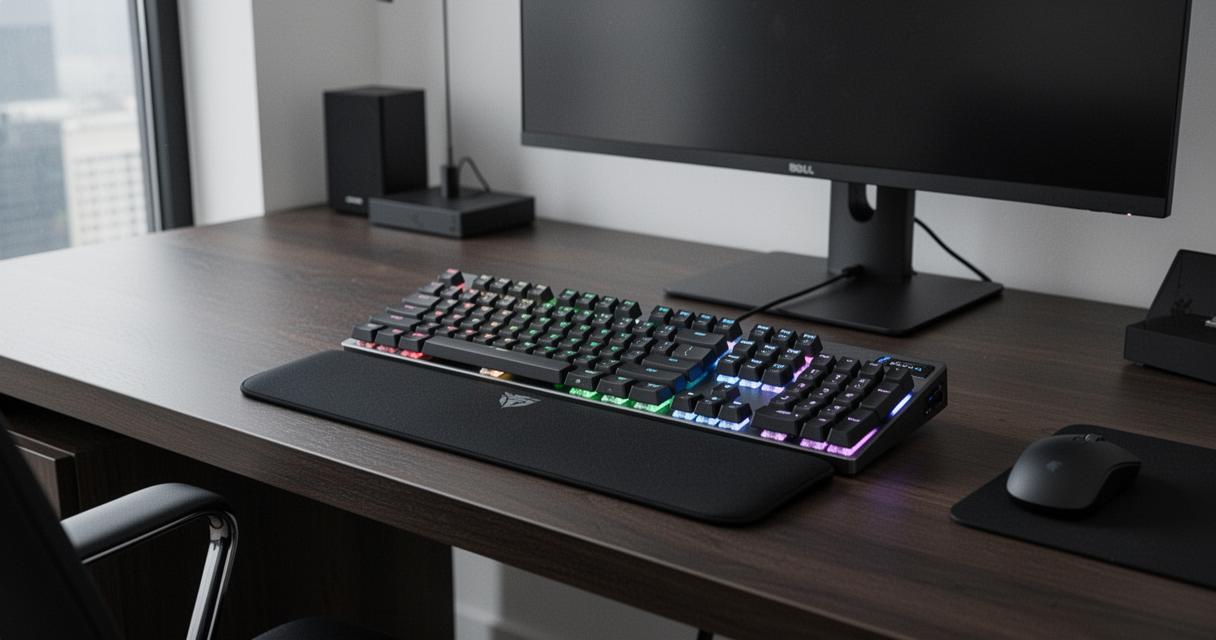
Whether you are typing a quick message or drafting a lengthy document, understanding your keyboard layout makes all the difference. The AZERTY keyboard, widely used across French-speaking countries and beyond, differs considerably from its QWERTY counterpart — and getting to grips with its peculiarities can transform the way you work at your desktop. This guide walks you through everything you need to know, from basic character input to advanced shortcuts that seasoned users rely upon daily.
In brief
- The AZERTY layout differs from QWERTY by reordering the top row of keys and optimizing the placement of characters specifically for the French language.
- On AZERTY keyboards, accented characters like é, è, and à have dedicated keys, making it easier to type in French without complex modifiers.
- Users can access numbers and symbols on the top row by using the Shift key, which toggles between punctuation and numerical inputs.
- The Alt Gr key is essential for accessing a third layer of symbols, including the euro sign and brackets, which are crucial for technical tasks and coding.
- Mastering standard shortcuts like Ctrl+C for copy, Ctrl+V for paste, and Ctrl+Z for undo significantly improves efficiency across most software applications.
- Keyboard navigation using the Windows key and directional arrows allows users to manage files, open programs, and select text without relying on a mouse.
- The numeric keypad functions as both a calculator-style number entry and a tool for directional movement when Num Lock is toggled off.
Mastering the Core AZERTY Layout and Text Input
The AZERTY layout places letters, numbers and symbols in positions that may feel unfamiliar if you have grown up typing on QWERTY machines. On an AZERTY keyboard, the top row begins with A and Z rather than Q and W, which immediately sets the tone for how text entry differs. Once you understand the logic behind this arrangement, writing fluently becomes second nature, and you will find that the layout is genuinely well suited to the French language and its particular character requirements.
Essential character keys and capitalisation
One of the first things to get comfortable with is how capital letters work. Rather than relying solely on the Caps Lock key, which locks the entire keyboard into uppercase mode, most typists prefer holding Shift to capitalise individual letters as they go. This keeps your writing flexible and avoids the frustration of accidentally typing a whole paragraph in capitals. On AZERTY keyboards, the numbers on the top row are accessed by pressing Shift as well, since those keys default to punctuation marks and accented letters. It is worth spending a little time memorising which symbol sits on each key, as this varies noticeably from the QWERTY layout most English speakers are accustomed to.
Accented characters — such as é, è, à and ù — occupy dedicated keys on the AZERTY layout, which is one of its great advantages for writing in French. These letters appear without any modifier key at all, making it straightforward to write naturally in the language. For capital accented letters, simply hold Shift whilst pressing the relevant key, and the uppercase version appears instantly.

Navigating the Space Bar and Line Breaks
The space bar sits at the bottom centre of the keyboard and functions identically to its counterpart on any other layout — a single press inserts a space between words. For a new line within most text editors, pressing Enter creates a line break, while in some applications holding Shift and pressing Enter produces a softer break without starting a new paragraph. These distinctions matter when formatting emails, documents and web content, and becoming aware of them early saves considerable time later on.
Unlocking Special Characters with Alt and Control Modifiers
Beyond the standard letters and punctuation visible on each key, the AZERTY keyboard conceals a wealth of additional symbols that become accessible through modifier keys. Learning these combinations opens up a far richer set of characters and coding options, particularly useful for those working with multiple languages or writing code.
Using Alt Gr for Hidden Symbols and Codes
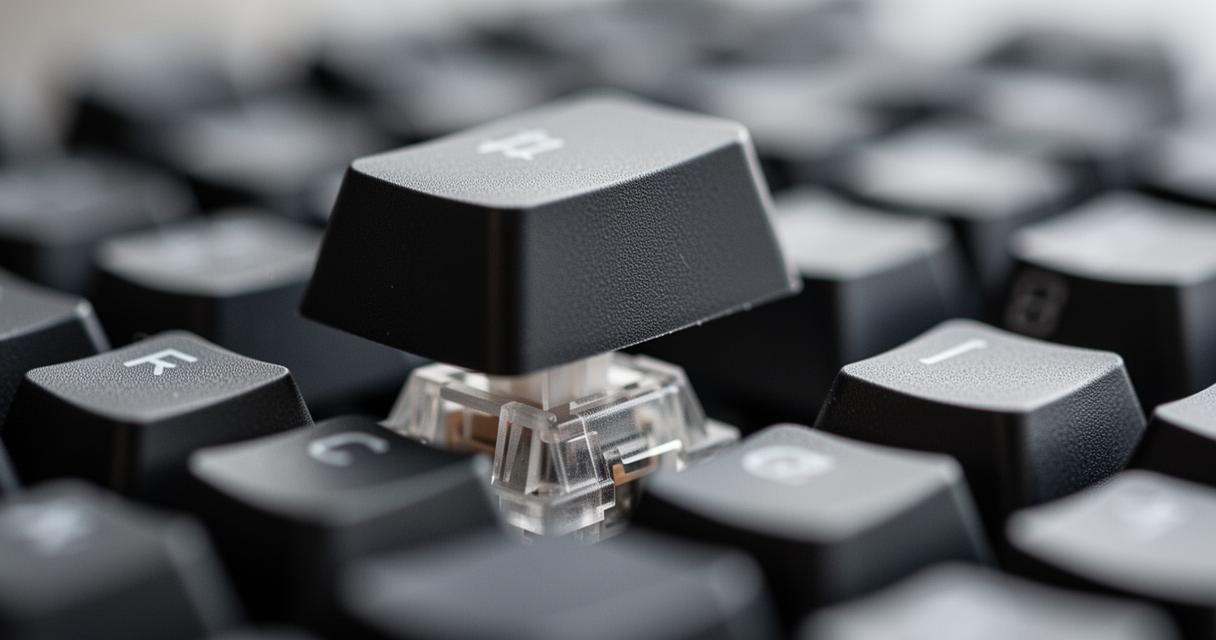
The Alt Gr key, positioned to the right of the space bar, unlocks a third layer of characters printed on many keys. By holding Alt Gr and pressing a letter or symbol key, you can produce characters such as the euro sign, square brackets, the backslash and various other symbols that are essential for coding and technical writing. This is particularly relevant for developers and administrators who need these characters regularly and cannot afford to hunt through on-screen keyboards each time. On AZERTY layouts, several of these hidden characters differ from what you might expect if you are used to other keyboards, so it is well worth printing out or bookmarking a reference chart as you learn.
Combining Ctrl and Shift for Advanced Shortcuts
The Ctrl key forms the backbone of most keyboard shortcuts across Windows and other operating systems. When combined with letters, it triggers commands that dramatically speed up everyday tasks. Holding Ctrl and pressing C copies selected content, whilst Ctrl and V pastes it — two of the most frequently used shortcuts in any workflow. Pressing Ctrl and Z undoes the last action, and Ctrl and Y redoes it. Adding Shift into the mix extends these possibilities further: Ctrl, Shift and Z, for instance, also redoes in many applications. These combinations work consistently across the vast majority of software, making them worth committing to memory as a priority.
- Ctrl + C — copy selected text or files
- Ctrl + V — paste copied content
- Ctrl + Z — undo the last action
- Ctrl + A — select all content in the current window
- Ctrl + S — save the current document or file
Efficient system navigation and desktop control
Beyond text input, the keyboard is a powerful tool for navigating your entire desktop environment. Relying less on the mouse and more on keyboard shortcuts not only speeds up your work but also reduces physical strain over long sessions. Windows in particular offers a rich ecosystem of shortcuts that integrate seamlessly with the AZERTY layout.
Managing files and windows explorer
Opening Windows Explorer to browse your files can be done swiftly by pressing the Windows key together with E. Once inside Explorer, you can select individual files with a single click, or hold Ctrl and click to select multiple items scattered across a folder. Pressing Ctrl and A selects everything in the current directory at once, which is invaluable when you need to move or copy a large batch of files in one go. The Run dialogue, accessed by pressing the Windows key and R together, allows you to launch programmes and open system tools directly by typing their name — a quick route that bypasses several layers of menu navigation.
Utilising the Numpad and Directional Keys
The numeric keypad, or numpad, sits on the right-hand side of most full-size keyboards and provides a dedicated cluster of number keys arranged in a calculator-style grid. When Num Lock is active, pressing these keys inputs numbers directly; when Num Lock is off, many of the same keys serve as directional keys, controlling cursor movement in text editors and file managers. The arrow keys — up, down, left and right — are indispensable for precise navigation without lifting your hands from the keyboard. Holding Shift whilst pressing an arrow key extends a text selection character by character, whilst holding Ctrl and an arrow key jumps word by word, making it far quicker to select and edit specific passages within a long document. Mastering these keys transforms the numpad from an afterthought into a genuinely efficient part of your daily workflow.