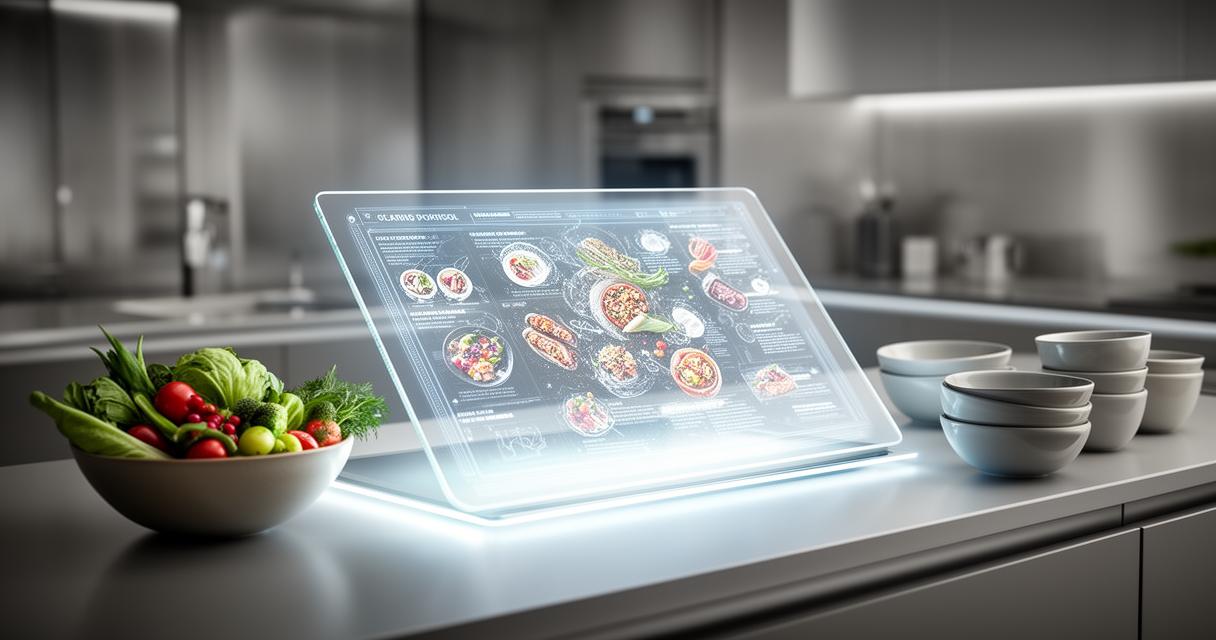
The landscape of home cooking is undergoing a remarkable transformation, driven by the emergence of intelligent technologies that promise to make meal preparation less daunting and far more enjoyable. Modern households are increasingly turning to sophisticated digital solutions that not only suggest recipes but also adapt to personal preferences, dietary requirements, and even the contents of the refrigerator. This shift represents more than a passing trend; it signals a fundamental change in how we approach the daily ritual of feeding ourselves and our families, blending tradition with cutting-edge innovation.
Revolutionising home cooking: how ai recipe software transforms daily meal planning
The introduction of artificial intelligence into the realm of cooking has fundamentally altered the way individuals approach their daily meal planning. Gone are the days when home cooks had to rely solely on traditional cookbooks or endless internet searches to find suitable recipes. Today, intelligent systems analyse vast databases of culinary knowledge, learning from user preferences and adapting recommendations to suit specific tastes and dietary needs. This evolution has brought a new level of convenience to the kitchen, enabling even the most inexperienced cook to prepare dishes that once seemed beyond reach. The software not only provides step-by-step guidance but also adjusts cooking times and ingredient quantities based on the number of servings required, ensuring that every meal is tailored to the exact needs of the household.
Automating repetitive tasks and streamlining kitchen workflows
One of the most significant advantages of these intelligent systems lies in their ability to automate repetitive tasks that once consumed valuable time and energy. By integrating with smart appliances and digital assistants, these platforms can manage everything from generating shopping lists to setting timers and adjusting cooking temperatures. The seamless coordination between software and hardware means that home cooks can focus on the creative aspects of meal preparation rather than getting bogged down in the minutiae of logistics. This streamlining of kitchen workflows has proven particularly beneficial for busy families and professionals who struggle to balance the demands of daily life with the desire to prepare wholesome, home-cooked meals. The technology learns from past interactions, refining its suggestions and becoming more attuned to the unique rhythms and preferences of each household over time.
Exploring new flavours through intelligent recipe recommendations
Beyond mere convenience, these intelligent tools open up a world of culinary exploration that might otherwise remain inaccessible to the average home cook. By analysing flavour profiles, ingredient pairings, and global culinary traditions, the software can suggest unexpected combinations that push the boundaries of conventional cooking. This capacity to explore new flavours transforms the kitchen into a laboratory of taste, where experimentation is encouraged and creativity flourishes. Users who might have felt confined to a limited repertoire of familiar dishes find themselves venturing into cuisines and techniques they had never considered before. The intelligent recommendations are not random but carefully calibrated to introduce variety while respecting individual preferences and dietary restrictions, making the journey of culinary discovery both exciting and manageable.
Professional Solutions: AI Tools Enhancing the Food Industry and Customer Experience
The impact of artificial intelligence extends far beyond the domestic kitchen, reaching into the heart of the food industry where it is reshaping how restaurants, catering services, and food manufacturers operate. Professional kitchens face unique challenges, from maintaining consistency across large volumes of production to meeting diverse customer expectations and managing complex supply chains. Intelligent systems address these challenges by providing tools that enhance efficiency, improve quality control, and foster stronger connections with clients. The adoption of such technology is no longer a luxury but a necessity for businesses seeking to remain competitive in an increasingly demanding market.
Customised Recipes for Chefs and Quality Control in Food Preparation
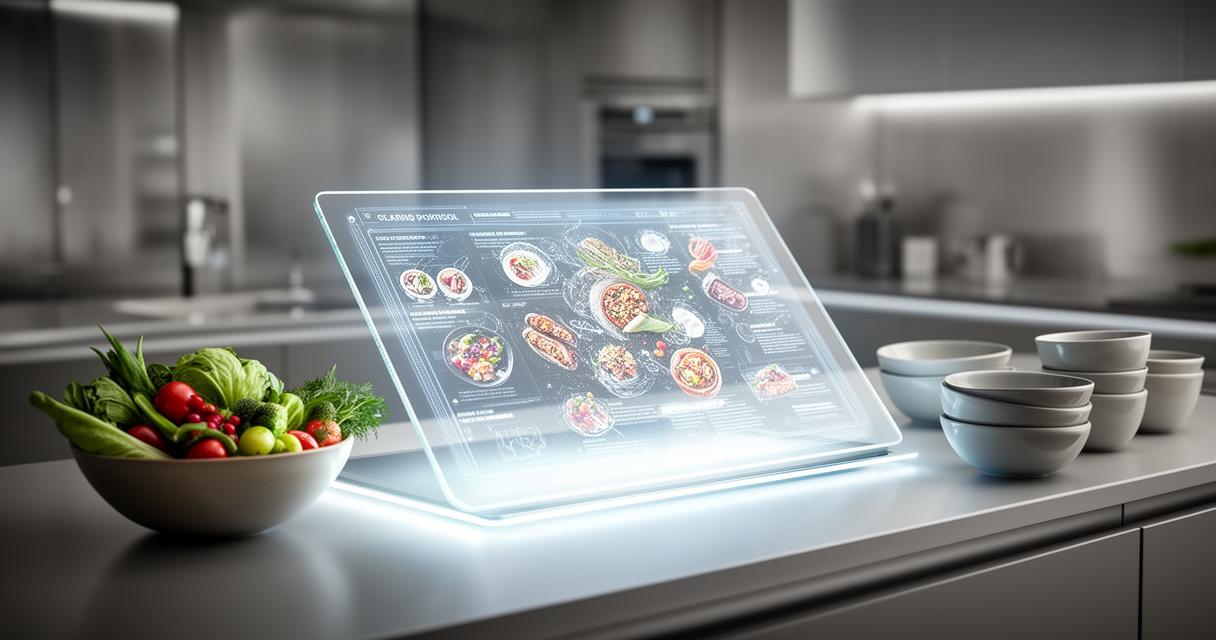
For professional chefs, the ability to create customised recipes that cater to specific dietary requirements or seasonal ingredient availability is invaluable. Intelligent platforms assist in developing bespoke menus that reflect the chef's vision while accommodating the practical constraints of the kitchen. These systems also play a crucial role in quality control, monitoring preparation processes to ensure that every dish meets exacting standards. By tracking ingredient sourcing, cooking temperatures, and presentation details, the software helps maintain the consistency that defines successful culinary establishments. This level of precision is particularly important in environments where reputation hinges on the ability to deliver exceptional food experiences time after time, regardless of staff changes or fluctuations in ingredient availability.
Reducing food waste whilst improving client loyalty
One of the most pressing concerns for the food industry is the challenge of reducing food waste, an issue with both economic and environmental implications. Intelligent tools address this problem by optimising inventory management, predicting demand with greater accuracy, and suggesting creative uses for surplus ingredients. By minimising waste, businesses not only reduce costs but also demonstrate a commitment to sustainability that resonates with increasingly conscientious consumers. At the same time, these platforms enhance customer experience by enabling more personalised service. By analysing past orders and preferences, the software can suggest menu items tailored to individual tastes, fostering a sense of recognition and care that builds lasting client loyalty. This dual focus on efficiency and personalisation positions forward-thinking establishments at the forefront of a rapidly evolving industry.
Choosing the Best Tools on the Market: Intelligent Devices and Digital Innovation in Cooking
With a growing array of intelligent devices and digital platforms vying for attention, selecting the right tools for your kitchen can feel overwhelming. The best solutions are those that integrate seamlessly into existing workflows, offering intuitive interfaces and robust functionality without unnecessary complexity. Whether for home use or professional application, the key is to identify systems that align with specific needs and goals, balancing innovation with practicality.
Evaluating top ai recipe creation platforms for modern kitchens
When evaluating the best tools on the market, it is essential to consider factors such as ease of use, adaptability, and the breadth of features offered. Leading platforms distinguish themselves through their ability to learn from user interactions, continually refining their recommendations and expanding their databases. The most effective systems offer integration with a wide range of intelligent devices, from smart ovens and refrigerators to voice-activated assistants, creating a cohesive ecosystem that simplifies every aspect of meal preparation. Additionally, the quality of the underlying algorithm is paramount; platforms that draw on extensive culinary knowledge and employ sophisticated machine learning techniques are more likely to deliver reliable, inspiring results. User reviews and expert assessments provide valuable insights into the performance and reliability of different options, helping prospective users make informed decisions.
Utilising social media insights to drive culinary innovation
In an era where social media shapes trends and influences consumer behaviour, the most forward-thinking platforms harness these insights to drive culinary innovation. By analysing trending ingredients, popular cooking techniques, and emerging dietary preferences across digital platforms, intelligent systems can anticipate shifts in demand and suggest recipes that tap into the zeitgeist. This utilisation of social media insights not only keeps menus fresh and relevant but also helps users feel connected to a broader community of food enthusiasts. The interplay between digital innovation and culinary tradition creates a dynamic environment where creativity thrives, and the boundaries of what is possible in the kitchen are constantly being redefined. For both home cooks and professional chefs, this represents an exciting opportunity to stay ahead of the curve, embracing new ideas while honouring the timeless pleasures of good food and shared meals.